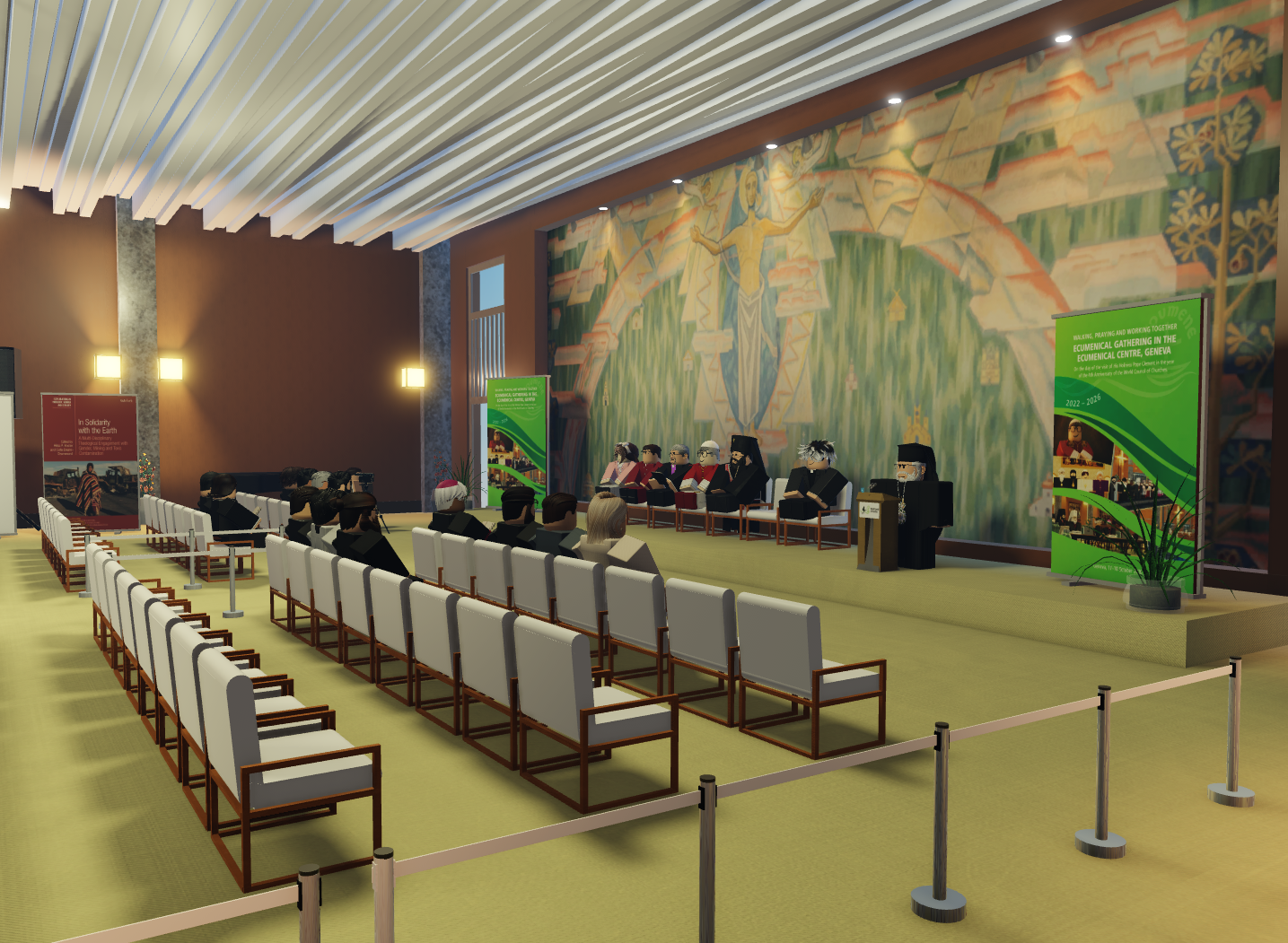
The Greek Orthodox Archdiocese of America (GOARCH) has restored ecclesiastical communion with fellow Orthodox jurisdictions within the Roblox Orthodox community, bringing an end to a period of strained relations and ecclesiastical separation.
The restoration follows discussions between representatives of the participating jurisdictions concerning ecclesiastical recognition, administrative independence, and cooperation within the wider Orthodox community.
Previously, disagreements over jurisdictional authority, administrative responsibilities, and relations with communities associated with the Ecumenical Patriarchate of Constantinople had contributed to divisions between the parties.
Throughout these discussions, GOARCH maintained its position that the restoration of communion should not require the surrender of its internal administrative independence.
The renewed relationship allows the participating jurisdictions to move forward in a spirit of cooperation while maintaining their respective ecclesiastical structures.
A renewed commitment to Orthodox unity
The restoration of communion represents a significant development for the Archdiocese, whose leadership had previously expressed a desire to resolve outstanding disagreements without compromising its administrative identity.
The discussions also addressed the distinction between ecclesiastical communion and organizational unification, with particular attention given to the responsibilities and authority of individual jurisdictions.
Within the Orthodox tradition, ecclesiastical communion expresses unity in faith and the recognition of a shared ecclesiastical life. Its restoration following a period of separation is therefore treated as an occasion for reconciliation.
Relations moving forward
With communion restored, attention now turns toward strengthening cooperation between the participating jurisdictions and maintaining stable relations among their respective hierarchies.
The development comes amid broader administrative changes within GOARCH, including appointments to senior ecclesiastical offices and efforts to organize the Archdiocese's internal operations.
The restoration brings a period of disagreement to a close and opens the possibility of closer collaboration in liturgical activities, ecclesiastical gatherings, and interjurisdictional discussions.
The Archdiocese now enters this renewed period of communion while retaining its own leadership and administrative structure.